

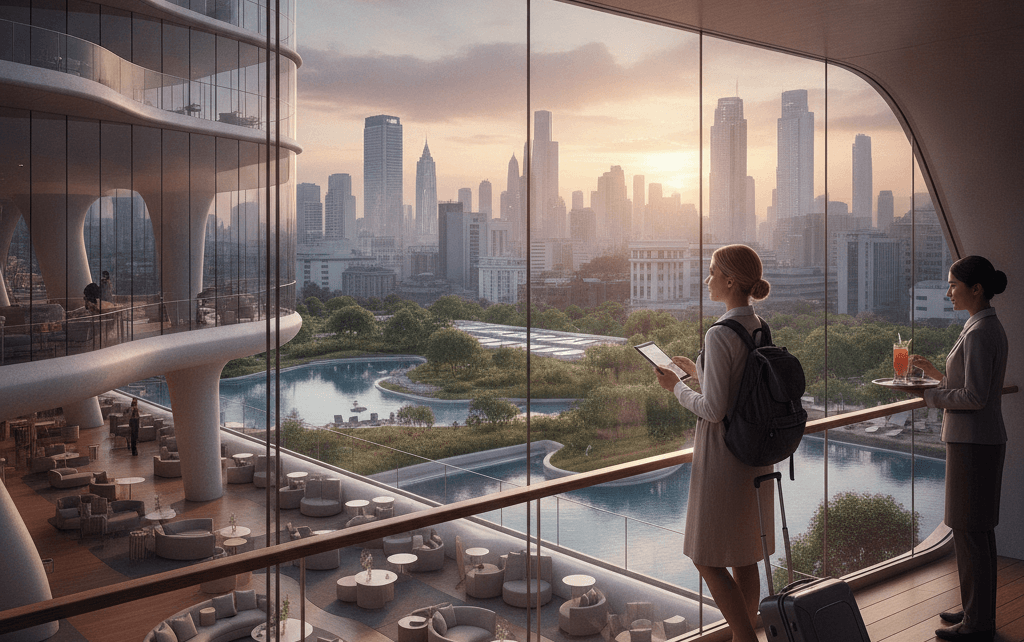
As someone who regularly analyzes different business models and consumer trends, I see a clear shift in what people expect from their travel stays. Today’s modern traveler looks for more than just a place to sleep. They desire experiences that resonate with them, offering comfort, authenticity, and a true sense of belonging. This is where distinctive hospitality shines.
I have observed that the best hospitality providers understand these changing needs. They are not simply offering rooms but curating an entire atmosphere. This approach moves beyond standard amenities and focuses on creating memorable moments for every guest who walks through their doors.
It is important for businesses to grasp these evolving expectations. By doing so they can truly Discover Distinctive Hospitality for Modern Travelers. This article will explore what makes a hospitality experience truly stand out in today’s competitive landscape.
The Evolving Landscape of Traveler Expectations
Modern travelers have different priorities compared to those of even a decade ago. I have noticed they often blend work and leisure, so they need spaces that support both. They are also more informed and connected, using online reviews and social media to guide their choices. This means every interaction and every detail counts more than ever before.
Travelers today seek a deeper connection with the places they visit. They want to feel immersed in local culture and enjoy personalized service. This desire for authenticity pushes hotels and other accommodations to rethink their offerings, moving away from generic styles. It is about crafting an experience that feels unique to the location and to the individual guest.
I believe this shift is a great opportunity for hospitality businesses. Those willing to adapt and innovate will capture the loyalty of this new generation of travelers. It means understanding their desires for convenience, technology integration, and genuine human interaction. These factors together shape their overall satisfaction.
The Demand for Authentic Experiences
Modern travelers actively seek out genuine, local experiences. They are interested in exploring the neighborhood beyond the typical tourist spots. This desire translates into wanting accommodations that reflect the local character and provide opportunities to engage with the community.
I find that guests appreciate recommendations for local eateries, art galleries, or hidden gems. This shows a commitment to providing a richer, more meaningful stay. It helps them create unique travel experiences. Businesses that offer cooking classes or guided tours, for instance, often score highly with this group.
Integrating Work and Leisure Seamlessly
Many modern travelers are digital nomads or business professionals who need to stay productive while on the road. I have seen firsthand how important flexible workspaces and reliable internet access are for these individuals. A comfortable desk in the room is a basic need, but dedicated co-working spaces can really set a property apart.
Providing amenities like strong Wi-Fi, easy access to charging ports, and quiet areas for video calls makes a big difference. These features ensure guests can manage their work responsibilities without sacrificing their travel goals. This blending of work and travel defines a significant portion of today’s market.
What Defines Truly Distinctive Hospitality
Distinctive hospitality goes beyond the basics. It is about anticipating needs and exceeding expectations in ways that surprise and delight guests. I think it is often found in the small gestures that make a big impact. A truly distinctive property creates a lasting impression long after the guest checks out.
It means every staff member is empowered to provide exceptional service. They should be knowledgeable about local attractions and genuinely interested in making each guest’s stay special. This level of engagement builds trust and fosters a sense of loyalty among visitors. They feel valued as individuals not just as another booking.
The physical environment also plays a crucial role. Distinctive hospitality often features thoughtful design, comfortable furnishings, and unique aesthetics that tell a story. This attention to detail transforms a simple stay into an immersive experience. It can be through local art installations or custom-designed furniture that speaks to the region.
Anticipating Guest Needs
I have learned that the key to great service is often anticipating what a guest might need before they even ask. This involves paying attention to subtle cues and understanding common traveler pain points. For example, knowing a guest’s preferred coffee order or having their favorite newspaper ready shows true attentiveness.
Consider a guest arriving late who might appreciate a pre-arranged light snack. Or someone traveling for business who could use an early morning wake-up call and a ready taxi. These are simple actions but they demonstrate a deep understanding of guest profiles. They are gestures that create a positive and memorable experience.
Cultivating Exceptional Staff Engagement
The people working at a hospitality establishment are its most valuable asset. I have seen that highly engaged staff members are more likely to go above and beyond for guests. This often comes from a strong company culture that values training, empowers employees, and recognizes excellent service.
Regular training on guest interaction and problem-solving skills is vital. Staff should feel confident and capable in their roles. When employees are happy and feel supported, it naturally translates into better service for every visitor. This positive energy is palpable to guests and makes them feel welcome.
Personalization: The Heart of Modern Service
In my opinion personalization is no longer a luxury, it is an expectation. Modern travelers want to feel recognized and understood. They appreciate services and amenities tailored to their individual preferences. This level of customization makes them feel truly special and valued.
Collecting data on guest preferences, with their consent, allows properties to offer bespoke experiences. This could be anything from a specific pillow type to recommendations for activities based on past interests. It creates a feeling that the establishment truly knows them. This fosters a strong connection.
This commitment to personalization can also extend to dining options and in-room experiences. Offering a selection of local products or custom mini-bar assortments caters directly to individual tastes. It elevates the entire stay from good to truly exceptional. This level of thoughtful service really sets a business apart.
Tailored Recommendations and Amenities
I often advise businesses to use guest data wisely to offer relevant suggestions. If a guest enjoyed an art museum during a previous stay, suggesting a new gallery opening for their current visit is a thoughtful touch. These small, relevant actions show that the property remembers them and cares about their interests.
Beyond activities, amenities can also be personalized. Some guests prefer eco-friendly toiletries. Others might enjoy a particular brand of tea in their room. Offering these specific choices upon arrival enhances their sense of comfort. It demonstrates an understanding of their lifestyle.
Building Relationships Through Individualized Attention
True personalization builds real relationships with guests. It involves staff remembering names and past conversations. This human touch makes visitors feel like more than just customers. They become part of the property’s extended family.
For me, a personalized note from the hotel manager or a small birthday treat left in the room are powerful gestures. These acts of kindness create lasting memories. They encourage repeat visits and strong word-of-mouth recommendations. This is invaluable in the hospitality industry.
Technology’s Role in Enhancing Guest Stays
I have always believed technology, when used smartly, can greatly enhance the guest experience without losing the human touch. It offers convenience and efficiency that modern travelers value. From booking to check-out, technology streamlines processes and provides instant access to information.
Mobile apps for check-in and room access are becoming standard. They reduce wait times and offer flexibility. Guests can use these apps to order room service or request extra towels. This puts control directly in their hands, which is something they appreciate greatly.
Smart room features, like automated lighting or climate control, add a layer of comfort and modernity. Voice-activated assistants can provide local information or play music. These innovations make the stay more comfortable and engaging. They reflect a property’s commitment to modern standards.
Seamless Digital Interactions
From the moment a guest considers booking, digital touchpoints are crucial. I notice that an intuitive website and an easy booking process create a positive first impression. Clear communication through email confirmations and pre-arrival messages sets the stage for a smooth stay.
During the stay, digital concierge services or instant messaging with staff can address queries quickly. This provides efficiency without requiring a phone call. It ensures guests feel supported and informed throughout their visit. This also frees up staff for more personalized face-to-face interactions.
Data-Driven Insights for Better Service
Technology allows hospitality businesses to collect and analyze valuable data about guest preferences and behavior. I find this information incredibly useful for refining service offerings. Understanding what guests like helps properties tailor future stays and improve overall satisfaction.
For example, tracking restaurant choices or amenity usage can inform menu updates or new service introductions. This data helps anticipate trends and adapt more quickly to changing traveler demands. It ensures that investments are made in areas that truly matter to the guests.
Designing Spaces for Comfort and Connection
The physical environment of a hospitality property significantly impacts the guest experience. I have observed that modern travelers seek spaces that are both comfortable and conducive to various activities. This includes areas for relaxation, work, and social interaction.
Thoughtful interior design extends beyond aesthetics. It focuses on functionality and creating a welcoming atmosphere. Comfortable lounging areas, well-lit workspaces, and quiet zones are all important considerations. Guests need different environments for different moods and activities.
Moreover, properties that integrate local art, history, or natural elements into their design stand out. This connection to the destination enriches the stay and provides a sense of place. It tells a story that resonates with visitors, making their experience more meaningful.
Creating Inviting Communal Areas
I find that many modern travelers enjoy communal spaces where they can connect with others or simply relax outside their rooms. A cozy lounge with a fireplace, a vibrant co-working space, or an outdoor patio can foster a sense of community. These areas become extensions of their living space.
Offering complimentary coffee or tea, local snacks, or even evening happy hours in these areas encourages interaction. It creates opportunities for guests to meet new people. This social aspect can be a powerful draw for those who value connection during their travels.
The Importance of In-Room Ambiance
While communal areas are important, the guest room remains a personal sanctuary. I emphasize the importance of creating a calm and comfortable in-room ambiance. This includes high-quality bedding, effective soundproofing, and adjustable lighting. These elements contribute greatly to a good night’s sleep and overall relaxation.
Thoughtful touches like a selection of reading materials, a yoga mat, or a well-stocked local snack bar elevate the experience. Guests appreciate having options that cater to their personal wellness and comfort. It transforms a standard room into a personalized retreat.
Sustainability and Ethical Practices in Hospitality
Modern travelers are increasingly conscious of their environmental and social impact. I see a growing demand for hospitality businesses that demonstrate a commitment to sustainability and ethical practices. This means transparent operations and genuine efforts to minimize harm.
Properties that implement energy-saving measures, reduce waste, and source local products appeal to this demographic. They want to know their stay supports responsible practices. Certifications for green initiatives can also be a powerful differentiator, showing measurable commitment.
Supporting local communities and fair labor practices also aligns with the values of many modern travelers. This commitment extends beyond environmental efforts to social responsibility. Guests feel good knowing their money contributes positively to the area they are visiting.
Eco-Friendly Operations
I believe that adopting eco-friendly practices is not just good for the planet, it is good for business. Simple actions like providing refillable water bottles or using energy-efficient appliances can make a big difference. Guests appreciate seeing these efforts in action.
Wastewater management, composting food waste, and reducing single-use plastics are also key. These practices show a deep commitment to environmental stewardship. They resonate with travelers who prioritize sustainable choices when they travel.
Community Engagement and Fair Practices
Beyond environmental concerns, modern travelers care about social impact. I encourage hospitality businesses to engage with and support their local communities. This might involve hiring locally, collaborating with local artisans, or donating to local charities.
Ensuring fair wages and safe working conditions for employees is also paramount. Guests are often discerning and will choose properties that reflect ethical values. This builds a positive brand image and fosters a sense of trust and respect with customers.
Beyond the Stay: Creating Memorable Moments
Distinctive hospitality aims to create moments that guests will cherish and remember. It is about crafting experiences that go beyond the expected services of a hotel. I believe these memorable moments are what truly differentiate a property from its competitors and build long-term loyalty.
This could involve offering unique local excursions or exclusive access to cultural events. For example, a property might arrange a private cooking class with a renowned local chef. These tailored activities provide a deeper, more personal connection to the destination.
Surprise amenities or unexpected acts of kindness also leave a lasting impression. A handwritten welcome note, a small gift upon departure, or a thoughtful recommendation for a future trip are all ways to delight guests. These thoughtful touches show genuine care for their overall well being and enjoyment.
Unique Local Activities
I find that guests love opportunities to experience the destination in unique ways. Partnering with local businesses to offer exclusive tours or workshops can be a strong draw. This supports the local economy and provides authentic experiences that large tour operators might miss.
Consider offering a guided hike to a hidden waterfall, a private wine tasting at a local vineyard, or a painting class with a local artist. These activities become stories guests will tell for years. They are much more impactful than a standard sightseeing tour.
Surprise and Delight Elements
The element of surprise is a powerful tool in hospitality. I have seen how small, unexpected gestures can create immense guest satisfaction. This might be a complimentary upgrade, a personalized welcome amenity, or a free late check-out when available.
These unexpected perks show that the property values its guests and is willing to go the extra mile. They are not expected or demanded, but truly appreciated. These moments transform a good stay into an outstanding one, encouraging repeat business and positive reviews.
My Insights on the Future of Guest Experience
I am certain that the future of hospitality will continue to revolve around customization, authenticity, and responsible practices. As travelers become even more discerning, properties that embrace these core values will thrive. It is about understanding that a stay is not just a transaction but a significant part of a traveler’s story.
The businesses that successfully Discover Distinctive Hospitality for Modern Travelers are those that invest in their people, their technology, and their local communities. They look beyond just occupancy rates and focus on creating genuine connections. This holistic approach ensures guests not only enjoy their visit but also leave feeling enriched and eager to return. I encourage all hospitality providers to consider these insights to build stronger, more meaningful relationships with their guests. Embrace innovation and genuine service to truly stand out.


